
From Survival Skill to Career Skill

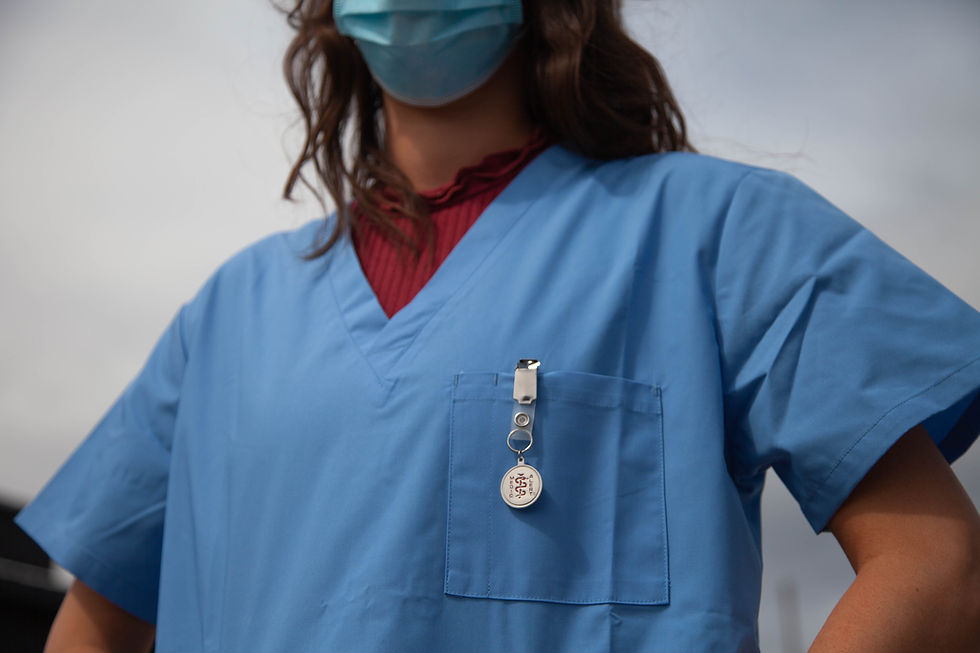
During a recent clinical rotation, one of our Scholars stood at a patient's bedside and noticed two things: the patient had gained a significant amount of weight in a short window, and their lungs made adventitious sounds.
She flagged it. Her instructor followed up. The diagnosis: congestive heart failure. Treatment started immediately.
She's a first-year nursing student. And she caught what more experienced eyes had walked past.
Where Acuity Comes From
Our Scholar is also a mother. Her child has needs that require round-the-clock vigilance. The kind where a few unwatched seconds can be the difference between safety and severe harm. For years, she has lived with her senses turned all the way up: watching for subtle shifts, anticipating hidden risks, staying dialed in when most people would look away.
Nursing school didn't teach her that. Her life did.
What nursing school gave her was a place to put it.
The Work Behind the Moment
None of this means the clinical catch was luck. Before she ever set foot in a classroom, she was preparing, researching study habits that would actually stick, setting up her apartment so her workspace supported real focus, tracking down every resource her program offered. When early clinical practice made her anxious, encouraging words from her faculty spurred her on. She took the encouragement, and she kept going.
That's how a scholar shows up ready. The vigilance is hers. The training is hers. The catch, the moment a patient got the diagnosis they needed, is the two of them meeting.
What Comes Next
For years, this Scholar's vigilance was a survival skill. Now it's a career skill. The same attentiveness that keeps her child safe is what will keep her patients safe and for the first time, that attentiveness gets to be a source of livelihood, professional identity, and pride.
Her instructor is proud. So are we. But mostly, we're glad she found the work that fits who she already had to become.


Comments